



Dog Rehabilitation in Covina with a CCRT-Certified Veterinarian


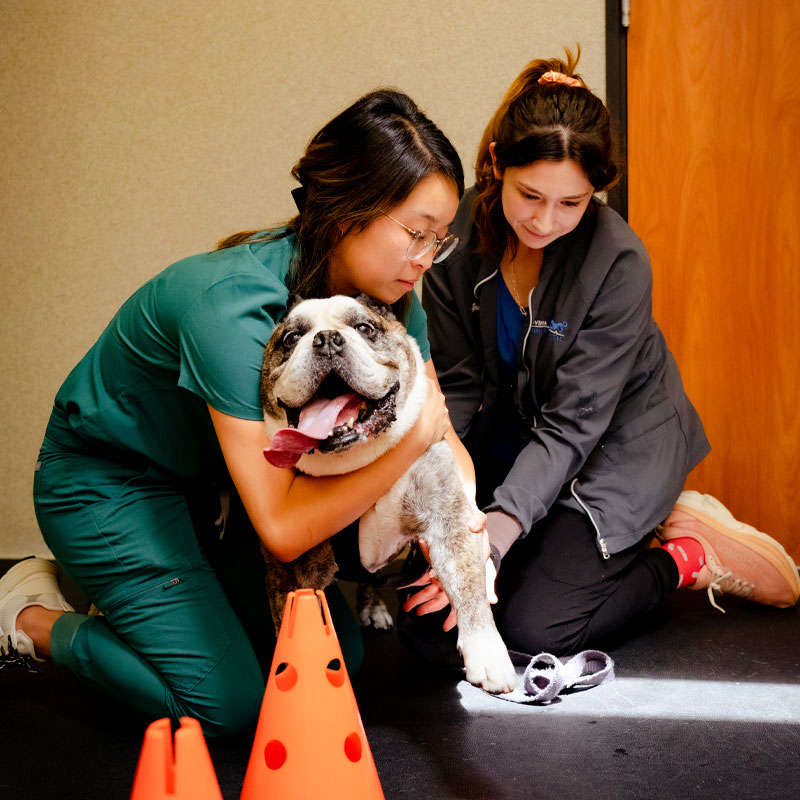
Veterinarians, physical therapists, and, more recently, occupational therapists may pursue training and earn their CCRT certification. In California, animal physical rehabilitation therapy must be supervised by a veterinarian to establish a valid veterinarian-client-patient relationship (VCPR), even when a CCRT-certified professional is involved. This requirement helps protect animals by limiting treatment provided by unlicensed or untrained individuals, which could otherwise result in unnecessary harm or discomfort.
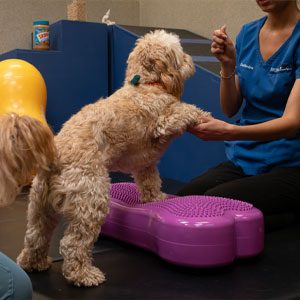
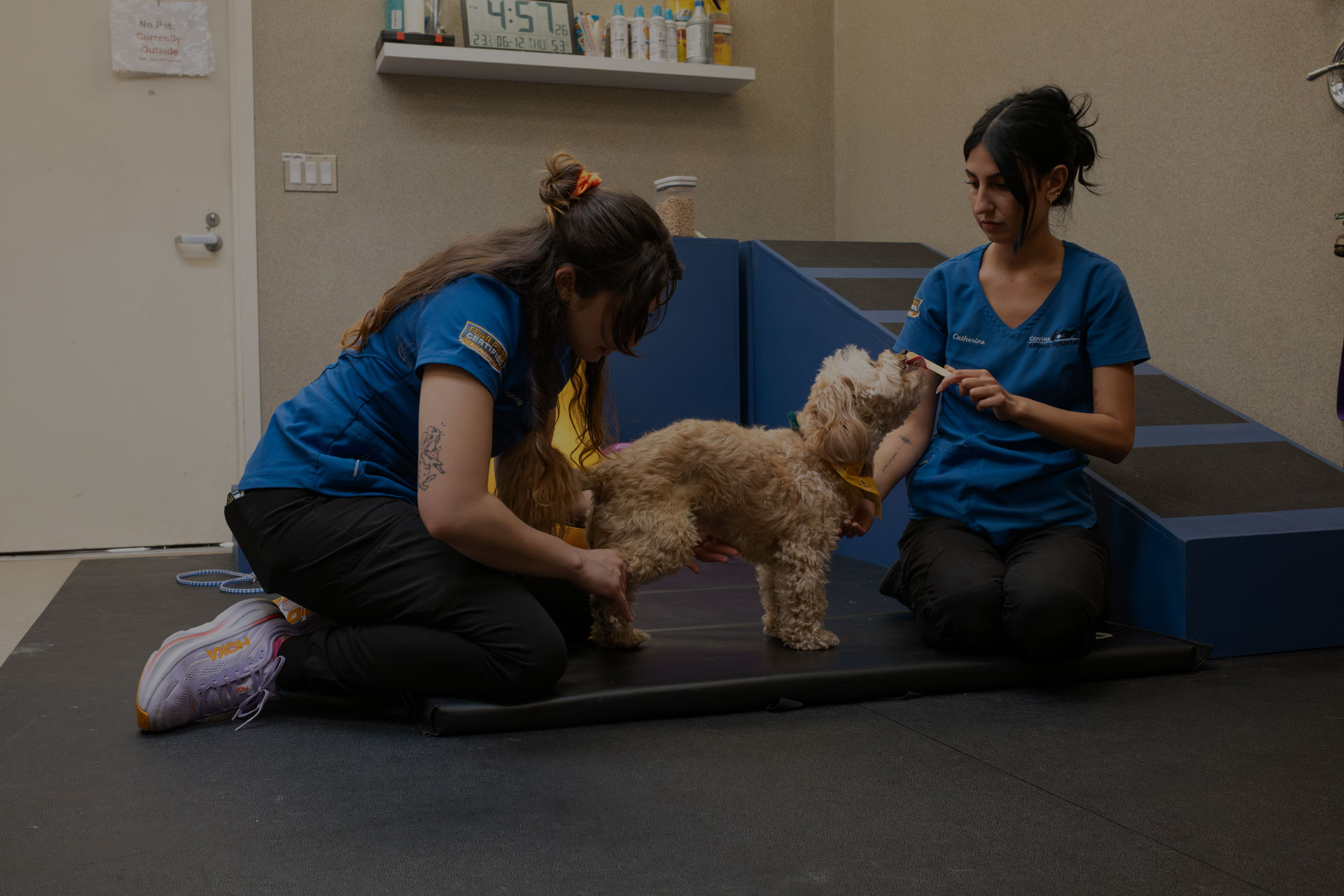
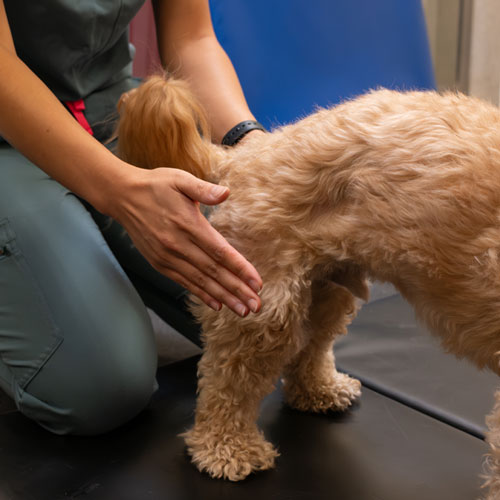
For your pet, the combination of a DVM and CCRT means one clinician sees the whole picture of your dog’s injury and treatment. As a CCRT, Dr. Lu can evaluate, design, discuss, and deliver a customized rehab treatment plan for your pet, but as a veterinarian, Dr. Lu is also able to recommend the appropriate diagnostics, make diagnoses, and recommend or prescribe medications.


Dogs who do rehab after a TPLO are nearly two times more likely to regain full function at 8 weeks, while dogs who skip it are nearly three times more likely to still be struggling. Six months out, dogs who do rehab also show less arthritis.
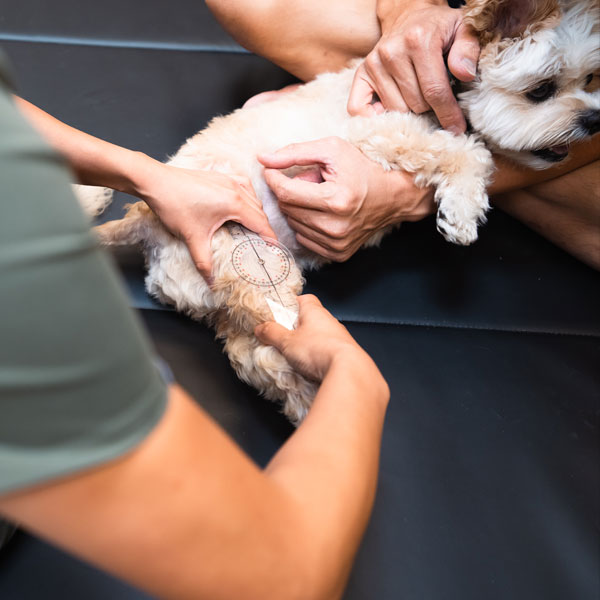
For dogs whose path is non-surgical, rehab is the plan itself: managing pain, preserving mobility, and protecting the joint over time. Dr. Lu builds each plan around the individual dog, evaluating how they're moving, where they're hurting, and their owner's goals.
— Debbie Young
The goal, in Dr. Lu's words, is "a new level of normal": maintaining mobility and your pet’s overall comfort and quality of life. Dr. Lu tailors each rehab plan to what the dog can actually do, what owners may be able to do at home, and the rehab team adjusts each session based on patient response.
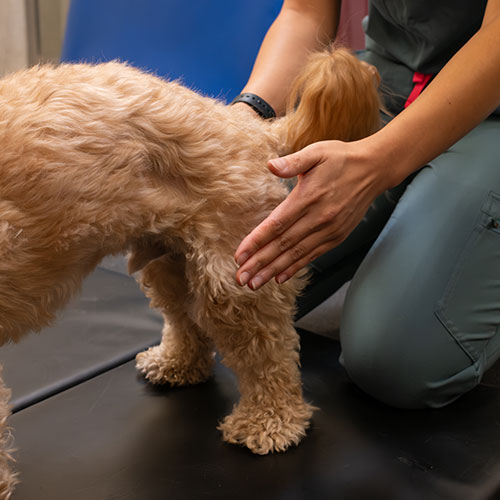
Rehab can do two things for IVDD dogs: it can help them recover from a flare, and it may reduce the chance of the next one. While some cases need surgery, others can be managed without. In either path, rehab rebuilds the muscles that support the spine, retrains the coordination dogs lose, and keeps the body strong enough to take pressure off the disc.
Sessions combine hands-on work, balance and core exercises, electrical stimulation to reactivate muscles that have gone quiet, and a home exercise program. Dr. Lu is transparent about her approach to rehab for IVDD: every dog responds differently, and the goal is a new level of normal.
— Debbie Young
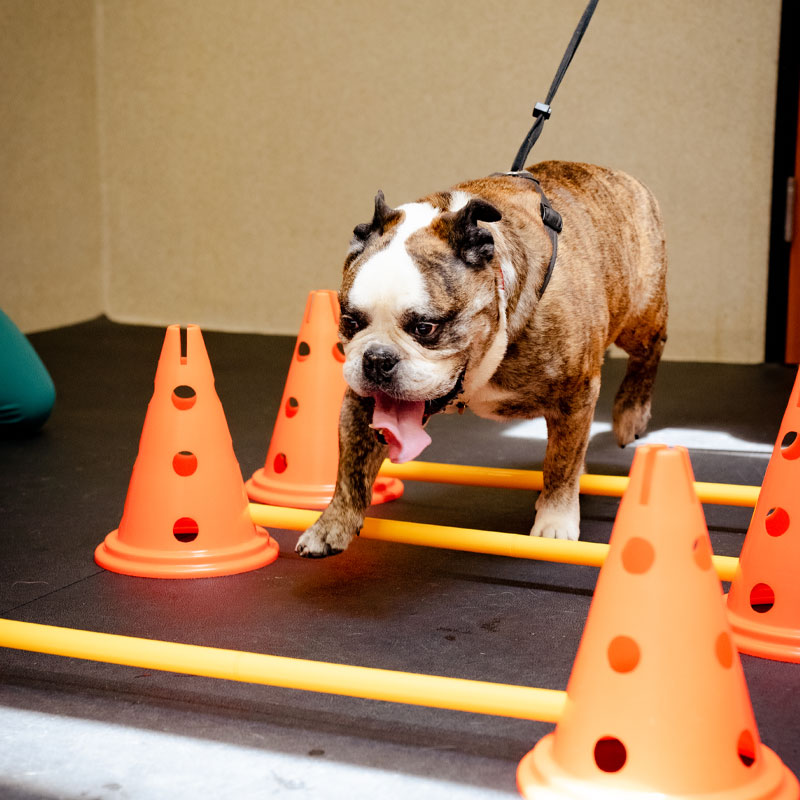
While rehabilitation can't change the trajectory of DM, it can slow the loss of strength and coordination, manage the secondary pain that comes from compensation, and keep a dog comfortable and functional for as long as the disease allows. Sessions blend strengthening exercises, balance and gait work, manual therapy for the muscles taking on extra load, and a home exercise program. Dr. Lu reassesses the plan often, because what's right for a DM dog early in the disease is different from what's right months later.
How much Does Dog Rehab Cost?
At Covina Animal Hospital, dog rehabilitation therapy starts with a $305 initial evaluation, with ongoing sessions ranging from $55 to $80 each. Multi-session packages bring the per-session cost down. We accept Cherry (a third-party payment option that lets you split costs into monthly payments) for owners who want to spread the cost out over time, as well as other payment options. Full pricing is listed below.
FAQ Questions and Answers
FAQ Questions and Answers